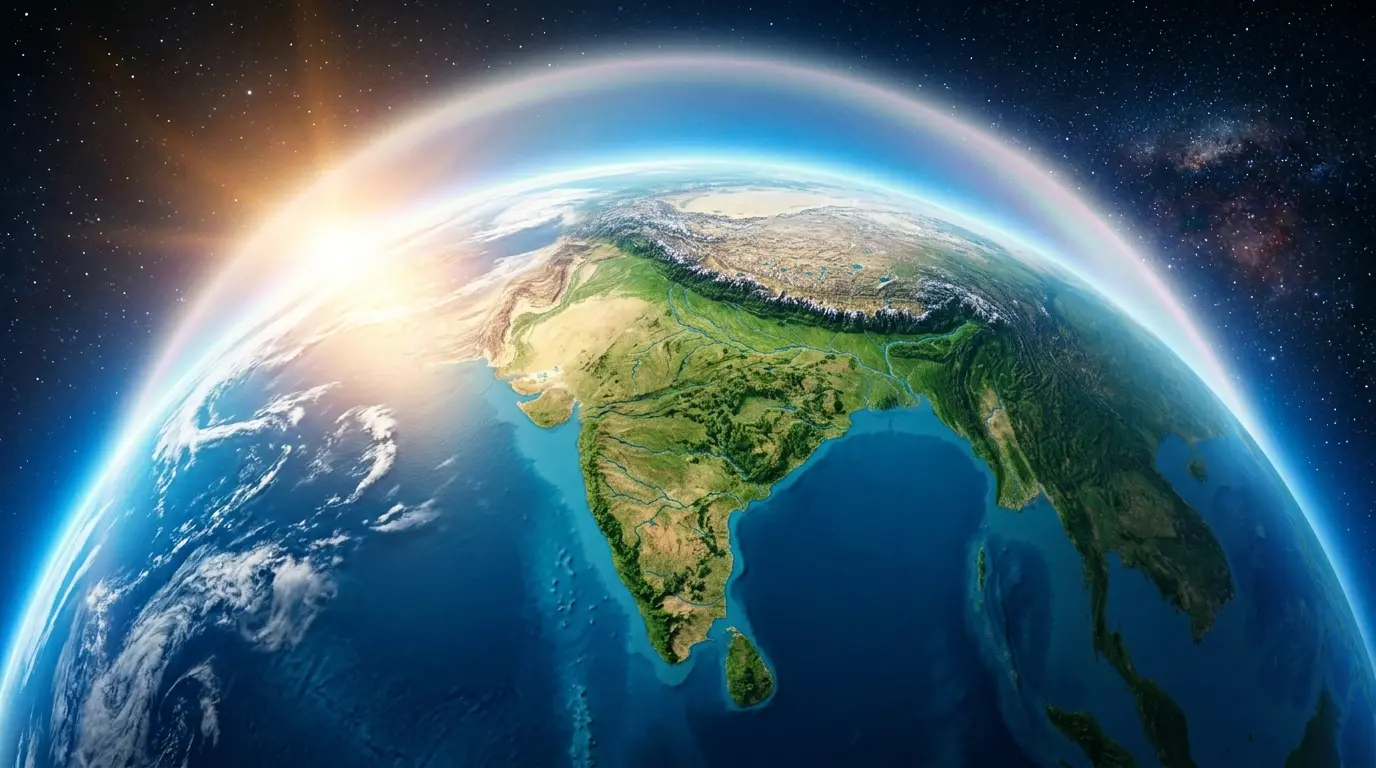
Our Nature and Environment: Perfect Soul Of Earth
Our Mother Earth has already provided us with nature and the environment around us and they are the greatest gifts for every generation and every species, including both living and non-living things.
Our planet is not only about land, water, soil, air, resources, etc., it’s much more than that and connects everything, supports everything plus our Nature and environment together form the foundation of life on our Earth.
Our Nature and the Environment around us are the perfect soul of Earth and we are affecting it with our actions leading to problems like climate change, global warming, biodiversity loss, waste, pollution, educational loss, increased disaster risks and many more.
To focus on solutions, we need to study Environmental sciences, which is the backbone to understand the modern-day nature and Environment of today’s world.
Key Takeaways With Data
- Nature and the environment together control the entire Earth and its ecosystems and we cannot live without them
- The Environment influences 100% of the Earth and influences local and global conditions that affects all living and non-living things
- Environment is where we live, thrive, breathe, work and evolve together
- Every year we dump 2.12 billion, tons of waste in the environment
- Atmospheric CO2 has crossed 420 ppm (the highest in almost 3 million years)
- Nature provides us with every resource we need to build our present and future and supports our daily survival needs
- Humans trigger the natural environment that influences climate change, sustainability, economy, biodiversity, cultures, energy, waste, water, manufacturing, food, Industry, agriculture, and many more sectors of a region and beyond
- Climate change has been occurring since the beginning of Earth and will continue to happen in the future because it is a compulsory process
- The Environment is part of Nature and Nature is the original system that supports life
- Other species love Nature and live sustainably but only we humans always make changes for our satisfaction and this is why we are struggling to survive today
Table of Contents
What Is Nature?
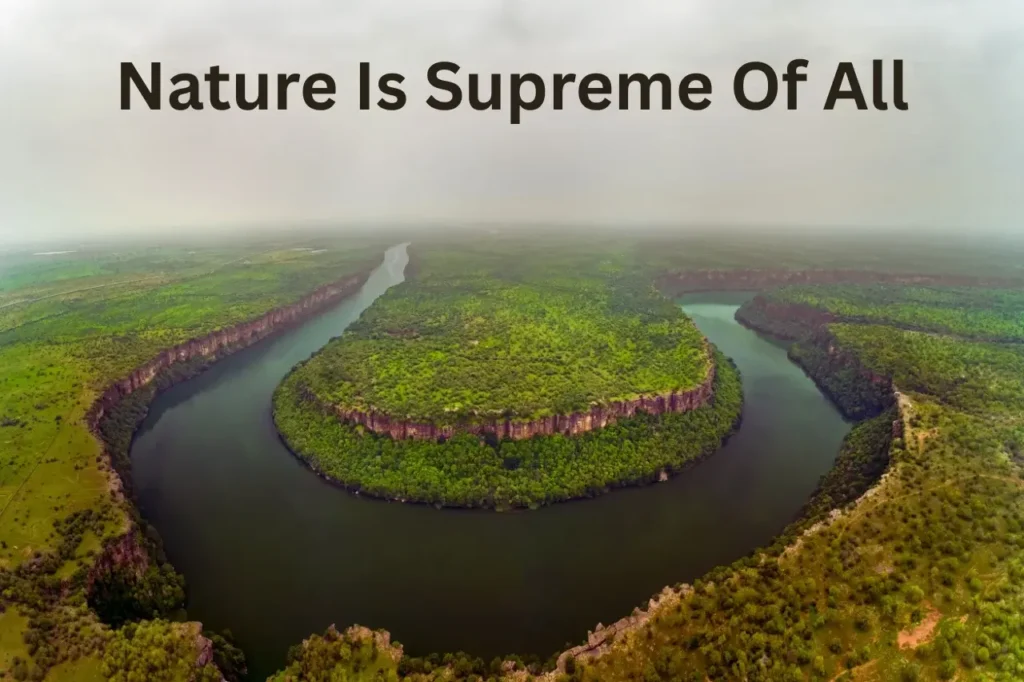
Nature includes everything that exists on our mother Earth including every living and non-living things.
Without Nature, we cannot survive but without us Nature can survive so it is our duty to protect Nature at any given cost.
Nature includes everything like forests, oceans, air, water, land, animals, mountains, plants, humans, microorganisms, energy and many more.
Nature is infinity and it’s always evolving so we need to adapt with time accordingly to survive, grow and live and it, and we must be accountable for our actions.
What Is Environment?
The Environment is everything around us, surrounds us and influences all the living and non-living things that exist on Earth.
Environment helps us to deal with everyday problems and supports our livelihood. It helps us to bring balance around us and supports:
- conditions necessary to survive
- provides natural resources
- supports ecosystems and more
Environment involves every aspect of the world and its our duty to protect it for our present and future generations. Nature is best.
Environment involves every process of life and beyond life and it is up to us on how we perceive things and make decisions but every second on Earth is a dimension on its own that we clearly can’t miss but we still mess with it, and we know what’s happening with Nature already.
How Do Nature and Environment Work In Harmony?
Nature works in harmony and helps maintaining the balance between different ecosystems on the planet, especially between biotic and abiotic things.
Nature makes sure no one is left behind and integrates every action taken inside the ecosystem and that derives an energy driving force that changes the stability of our planet.
In other words, whatever we do creates an impact on Earth that’s why we must use resources effectively.
How Does Nature Helps Us?
Nature includes every natural processes, energy flows, all living and non-living things, and also includes the entire physical world and universe, including the origin of everything, laws, gravity, etc.
Nature helps us in multiple ways allowing us to use World’s resources for our daily use, providing us food, water, shelter and may more things that we use, more importantly oxygen that keeps us alive on Earth.
Nutrient recycling, supplying resources, energy flow and all other processes allow Nature to work seamlessly but we humans often disrupt the process and that’s why we need to learn more about Nature.
There are different sectors of Nature that helps us identify, study, learn and adapt more about it.
There are multiple universal problems we need to study so we can understand where we live, how we live and how we can adapt in the present and future by understanding our past, new data and possibilities to change our lives especially for future generations.
24 Universal Concepts Linked With Nature & Environment Around Us
Remember, as of today, they are all driven by decisions taken by the higher authorities that impact the lives of everyone.
Multiple natural environment components work together to sustain life on Earth.
But the problems alone are not driven by higher authorities and their decisions, society together makes it possible and probably is more chaotic and cause of problems.
After industrialization started we witnessed a jump of environmental problems a resources are being consumed quickly and the difference between demand and supply is a lot.
Modern society today lacks civic sense and this societal behavior shapes environmental problems around the globe but it is also our calculative actions that leads to rising environmental problems.
Our anthropogenic activities trigger problems around the Earth ore than the natural ways like volcano eruption, etc. and developing countries like India and more are prime examples of how resources are being exploited because of a lack of societal behavior.
But it is also our responsibility to take care of our planet at the individual level first before raising concerns about others, since our individual contributions accumulate together and create the whole system. These are environmental science basics today.
We are all deeply rooted in the heart of our planet and its ecosystems that support life and resources, and definitely it includes all the living and non-living things on Earth, in space, the universe, and beyond that.
To protect nature and the environment, especially as of today, we don’t lack technology, money or resources, but we do lack civic sense.
1. Sustainability
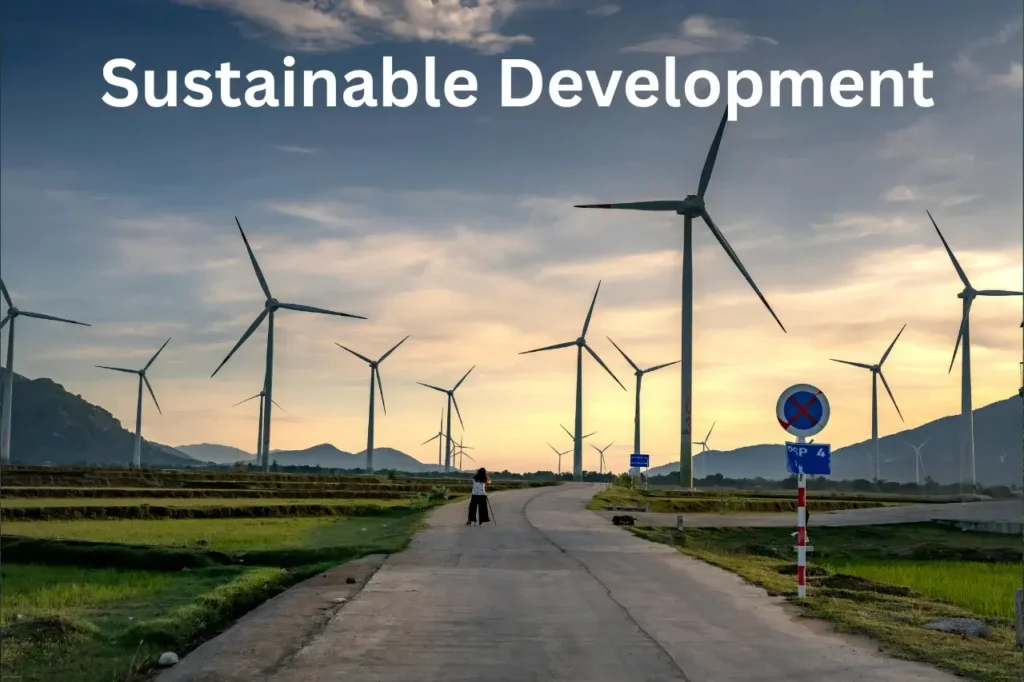
Sustainable development simply means meeting the needs of the present without compromising resources for our future generations.
Sustainability is the long term achievement to use resources in a balanced way ensuring everyone gets access to it.
There are a total of 17 sustainable development goals accepted globally to make the world a better place by 2030.
The 3 core principles of sustainability are:
- Environmental Stability that includes managing natural resources to maintain planet’s health and support demand and supply chain
- Social Equity that ensures no inequality around the world, supporting education, business, health and more
- Economic Growth that enables economic growth, helping people get out of poverty, stabilizing their lives, and hence promoting overall sustainability
The Problem:
Sustainability is a rising issue because of unequal distribution of resources around the planet and rising differences between the rich and the poor.
The Solution:
Balancing environmental, social, and economic principles and ensuring everyone gets equal resources or at least sufficient resources for survival.
2. Climate Change
Climate change is happening and many of us are not even aware of it or are simply ignorant of the reality.
It simply means a change of weather conditions over a period of time in a region say for 30 years.
Climate change is long-term changes and shifts in average weather patterns, conditions, and temperatures. Climate change is transforming the planet.
Nowadays, it triggers extreme weather conditions like cyclones, heatwaves, drought, floods, etc. affecting every corner of Earth and affecting the lives of millions and its frequency is increasing every year.
In simple words if 30 years back, the temperature use to be around 35 Degrees in summer, today it crosses 45-50 Degrees so it means, we are facing more heat than before and this affects everyone.
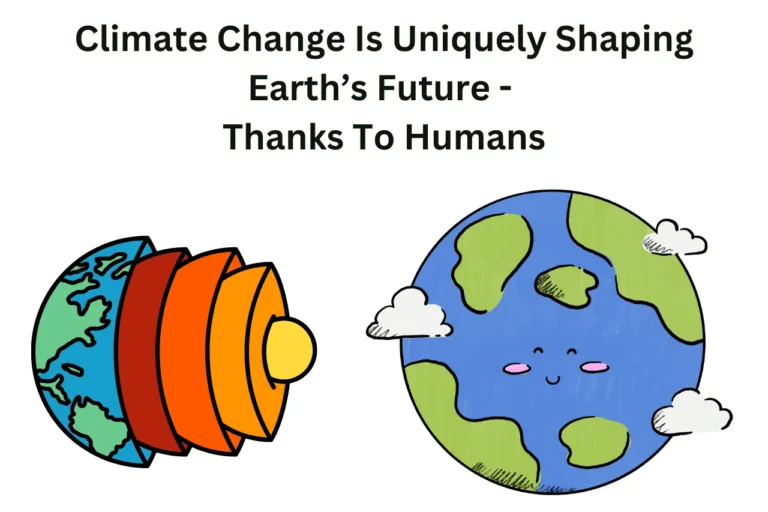
Climate change is a natural process but if it keeps happening getting triggered because of human activities, then the future will be tough for the upcoming generations.
Climate change in the long term increases heatwaves, raises sea levels, affects biodiversity, melting of glaciers, unequal distribution of resources, causes migration of species, leads to changes in local weather, affects precipitation rate, changes in pollution, leads to global warming, triggers natural processes like monsoon and ENSO, and affects cycles like the carbon cycle, and much more.
The Problem:
Climate change is an accelerating issue because of the bad decision environments created by authorities along with different societal behavior, unequal distribution of resources, modern-day lifestyle living scenarios, around the planet and rising differences between the rich and the poor along with a lack of civic sense and rising human activities against Nature.
The Solution:
Focusing on the individual actions, improving civic sense, and working together as a community to balance out demand and supply while adhering to decisions, following rules, and laws are just the beginning steps to bring our solutions to fight against extreme climate change.
3. Global Warming
Global warming is driven by climate change and it is a byproduct of natural and our anthropogenic actions which today is extremely triggered and is affecting everyone.
In simple words, Global warming simply means an increase in the Earth’s temperature, and this means our Earth is storing more heat than before.
Greenhouse Gases (GHG’s) are one of the dominant causes behind Global warming but they are also essential to sustain life on Earth.
It’s just that our activities and modern lifestyle allow GHGs to store more heat, trap more heat, which triggers global warming and leads to long-term climate change, which is often irreversible.
Do you know:
- The global temperature has risen by 1 degree Celsius since the Industrial Revolution
- The last decade was the warmest decade on record
Global warming is creating havoc on the planet and for our safe future we need to safeguard our resources and interests.
The valid causes of Global warming are:
- Burning of coal, oil, gas, and fossil fuels
- Heavy Industrialization
- Deforestation
- GHGs like Carbon, Methane, CFCs, and nitrous oxide are a few reasons behind Global warming
- Anthropogenic i.e., human activities due to modern lifestyle demands and many more
Global warming often triggers ecological tipping points and once we reach that threshold, it becomes unbearable and difficult often irreversible to overcome upcoming challenges.
The Problem:
Global warming needs attention as it is allowing the planet to become unsustainable around the world and its again due to our ignorance and heavy use of planet’s worthy resources to satisfy our demand, needs and obviously greed.
People especially in the tropical region, can feel the warmth of heat in the summer when temperatures cross 45-50 degrees regularly every year.
The Solution:
We need more environmentally friendly zones, nature-based solutions and better enforcement of environmentally friendly laws and we need to stop companies from doing greenwashing.
As a thriving society if your civic sense is sub-standard, then you will feel the intensity of global warming even more and it’s already visible in multiple developing and developed countries.
4. Biodiversity
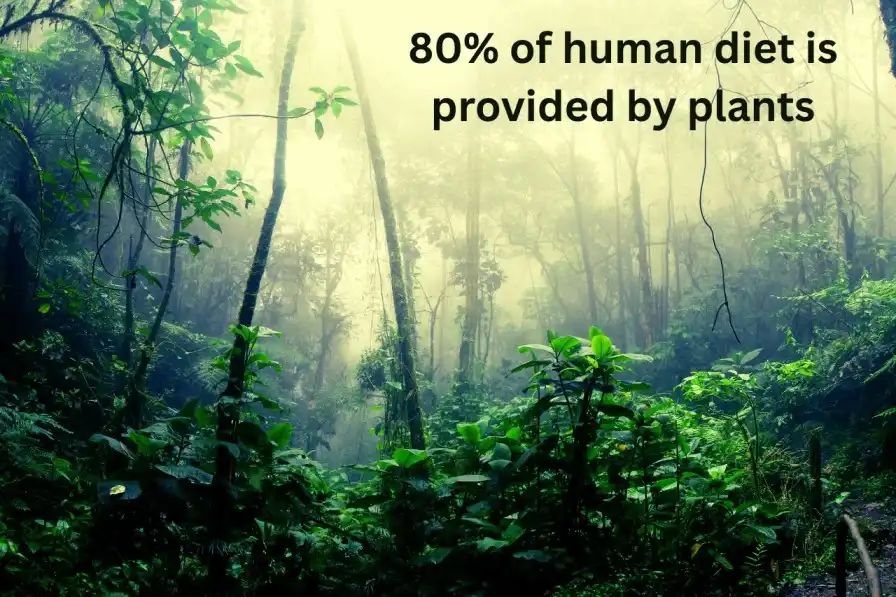
Biodiversity plays an important role in balancing out ecosystem and is an important part of Nature and environment around us.
Biodiversity simply means all varieties of living things living and interacting with each other, right from micro-organisms to the largest mammal present today.
It’s essential for the planet’s ecosystem stability, providing relevant services like clean air, water, medicine, food security, etc., maintaining the health and life of Mother Earth.
Biodiversity is the hub of our ecosystem survival and the Wildlife makes sure that biodiversity is stable in both rural and urban areas ensuring life-cycle balance.
Our Earth’s biodiversity is important and it helps:
- Providing shared resources for all
- Supporting economic growth through tourism, balancing life-cycle and helping in agriculture, etc.
- Supports climate regulation and creates a natural defense against rising impacts of climate change
- Supports healthy ecosystems and ensures balanced transfer of energy around the globe
The Problem:
Biodiversity today is facing a relevant threat and many species have gone extinct while many are endangered and vulnerable due to our ignorance and greed.
If the number of species reduces, then the life cycle will collapse and human activities naturally make sure that we are taking away homes of millions of species by cutting down forests, affecting ocean life, throwing away and dumping waste, doing lab experiments on species, and many more.
The Solution:
The simple solution is to make strict laws and changes in the current system, make people accountable for their actions, and teach future generations why biodiversity and the lives of others matter equally.
5. Water
Water is the fundamental source of life on Earth and supports our daily life and ecosystems on Earth.
Water drives energy flow on Earth and helps in maintaining Global warming and Climate Change.
Water regulates Earth’s climate and makes sure everyone on Earth lives a comfortable life as it is a basic necessity to control Earth’s demand and supply.
Water is the ultimate source of resources as it helps us reap the benefits of Nature.
Save Water, Save Nature, Save Future, Please.
Water as a resource is essential especially from a decision environment’s point of view as it’s a resource worth every penny and is unequal for everyone too especially because of global warming and climate change.
The Problem:
Water is the ultimate resource that makes life sustainable on Earth but every year we can witnes depletion of groundwater, lack of water accessibility, no authority, no accountability of water wastage, depleting freshwater count, etc.
Many people do not get safe accessible drinking water and it is because rich people and powerful people know how to exploit, while poor people thrive and fight just to get basic amenities.
On the other hand rising environmental and ecological degradation is again a prime factor as it triggers climate change that significantly affects water as a resource and creates water scarcity.
Our body demands water to survive and not even getting this free basic facility for free is a valid concern on where we are leading.
The Solution:
We need a systematic distribution of water as a resource and make sure you, at your individual level, do not waste water. Save water, save a life and distribute if you have surplus quantity, please.
Water keeps circulating, it’s also a shape-shifter but we need innovative technology to ensure water stays pure, drinkable for every species.
To understand the essence of environmental science basics, remember to study more about water and its science in detail. The secret importance of nature and environment can be revealed through studying water in detail.
6. Pollution
This is even though Nature’s natural system, but today it’s heavily triggered by our anthropogenic activities like Industrialization, waste management, transportation, non-effective use of natural resources and over-exploitation, etc.
While natural pollution happens through:
- Volcano eruptions releasing toxic gases into the atmosphere like sulpur dioxide, ashes, carbon dioxide, etc.
- Forest Fires
- Geothermal energy releases water vapor and sub-surface materials that are brought to the surface
- Windblow dust
- Sea salt spray
- Algae blooms
- Microorganisms, etc.
Pollution causes at least 7 million premature deaths every year, damages the ecosystem balances and is a heavy contributor to climate change.
Types Of Pollution
There are multiple types of Pollution like:
- Air Pollution
- Water Pollution
- Soil/Land Pollution
- Noise Pollution
- Thermal Pollution
- Light Pollution
- Radioactive Pollution
- E-Waste Pollution
- Plastic Pollution
- Visual Pollution, etc.
Causes and Effects Of Pollution
Pollution even though happens naturally is a dangerous thing when triggered by human activities contributes to effects like:
- Environmental Damage
- Water Scarcity
- Human Health
- Burning Fossil Fuels
- Industrial Waste
- Urbanization
- Loss of Biodiversity
- Soil Infertility
- Climate Change
The Problem:
Human do need resources to survive but unlike other species we do not comply to laws that protect Nature and we heavily explot resources as they are only for us and no one else.
This mentality today leads to problems like environmental damage, affecting health, causing scarcity of natural resources, affecting ecosystem services and more.
The Solution:
We need to transition towards renewable energy, improve waste management laws and practices and need to make sure that we implement strict industrial waste management regulations.
7. Waste
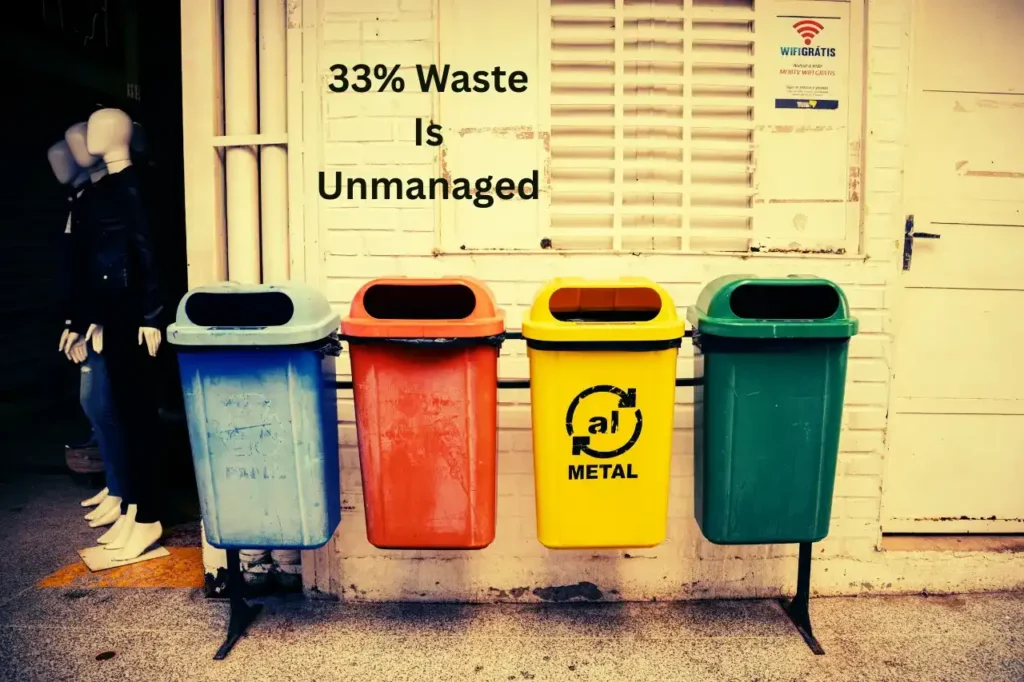
In simple terms, waste is unwanted, unfiltered, unusable, discarded materials produced from agricultural, residential and commercial, and industrial places and can be solid, liquid and even gaseous substance.
Even waste is a natural phenomenon but today it’s triggered by human activities hence making the ecosystems hard to breathe.
Waste needs to be recycled on a consistent basis to overcome long term future resource mismanagement.
We humans must consider practicing effective waste management.
4 Types Of Waste
In general there are 4 types of waste considered globally and they are:
- Biodegradable Waste
- Non-Biodegradable waste
- Hazardous Waste
- E-Waste
Waste Management Hierarchy
The focus is mainly on these 5 parameters to ensure we do minimal waste and maximum resource consumption:
- Reduce
- Reuse
- Recycling
- Recovery
- Disposal
Environmental Impacts Due To Waste
Rising waste concerns is already pressurizing different zones and ecosystems around the planet and it often leads to:
- Deteoriating Health
- Rise in pollution levels mainly due to poor air, water quality, and land use changes
- Food waste, especially in landfills, triggers local people’s overall well-being, affects the soil and groundwater, and contributes to methane emissions.
- Burning the waste often creates rapid combustion, diseases, and leaving it unattended often leads to various respiratory issues
- Waste triggers climate change, leading to soil erosion, loss of biodiversity, as many street animals consume food from plastics too, even marine animals do the same
The Problem:
Because of the imbalance in demand and supply chain, people living in the urban areas love to exploit resources and often abandon things quickly due to the so-called modern lifestyle.
The natural environment components need a dedicated discussion and study to analyze which innovations we need.
This habit accumulates excessive non-used items in the home which are discarded as waste, and it is expected that global waste generation will cross 3.86 billion tons by 2050.
The Solution:
At the individual and community level, people need to focus on reuse and recycling on a regular basis and make sure they use the resources as much as possible before discarding them.
At the authority level, the system must be redesigned for better waste management rules, more waste bins, better enforcement and accountability is needed.
The focus should be more on improving the overall civic sense of the society.
8. Industry
Industry drives the economy, business, and all essential life elements we need for our modern life.
Industries make sure our modern life needs get fulfilled and they provide millions of jobs worldwide but the balance with the environment is unbalanced.
Industry on the other hand also inputs serous pressure on living ecosystems and resources ensuring it meets the demand but also dominates consumption habits because of manufacturing that increases production every year.
Sectors like energy, mining, transportation, and manufacturing often lead to habitat destruction, climate change, global warming, and high GHG emissions.
Manufacturing
In simple terms, manufacturing allows the transformation of raw materials into finished products using sufficient technology, labor, and machinery.
It is important for the GDP growth of a nation, bringing innovation, creating more job opportunities, etc.
Do you know? In a developing country like India, manufacturing alone contributes for 15% of the GDP, making environmental footprint crucial for future progress and ensuring job opportunities for the rising population.
The Problem:
Industries being crucial for the global economy often create environmental disturbance by triggering production, manufacturing, and over-consumption of resources that we do not need in surplus at times.
The Solution:
Authorities should make strict laws, and people must adhere to limits on consumption and comply with reuse and recycling to avoid unsustainable production while making sure they boost their Industry as it promotes the country’s overall well-being.
9. Economy
Economy and nature are interconnected but Nature is the backbone of the economy as Nature provides us with every resource we need to run our economy and afford a sustainable lifestyle.
Since the resources are limited, the economy helps to trade, appreciate, distribute, produce and consume existing goods, and it’s often affected by trade, global laws, inflation and GDP.
Because of the imbalance in demand and supply chain, people living in the urban areas especially consume more resources and people in rural areas need to visit cities for even basic facilities and this gap is created by the so-called modern lifestyle.
Do you know that the cultural economy sector is expected to see a rise, and it includes media, fashion, gaming, sports, etc?
10. Business
Business is the fundamental form of existence for human civilization and it provides opportunities from Nature to upgrade our lifestyle, but we need to bring stability to the environment.
Business often includes a systematic effort to produce, consume, buy, sell, and provide services to earn money and live a comfortable life.
Do you know that approximately 5,43,000 businesses start monthly, but 65% of them often fail within 10 years.
11. Food
Food is provided by Nature itself and we rely on Nature for survival.
Food is the ultimate source of life and a necessity for the living species breathing on Earth right now.
It provides us necessary nutrients and energy to thrive in the long run.
But we are destroying it for our own needs and greed which is why modern ways to grow food are becoming popular as we are losing more land to grow food.
Almost 1/5th of the food produced for us humans is wasted or lost globally, and this is alarming.
Food consumption patterns are changing throughout the globe since globalization and rapid urbanization, along with increased job pressure.
Environmental changes even happen due to food production that often costs:
- 1/4th of GHG emissions
- 70% of freshwater withdrawls
- 50% of habitable land use
- 38% of the land surface is used for growing food and pasture allowing ecosystem disruption and habitat fragmentation
But it’s important because at the end of the day, with the rise of the world’s population, we need to ensure we manage hunger and poverty, and they are 2 goal of the 17 sustainable development goals as mentioned previously.
Agriculture
Agriculture allows using the land to grow food that can satisfy the demand of species who rely on agriculture.
Agriculture involves feeding livestock, growing, producing food, and is a foundation for achieving sustainable development by eliminating hunger and poverty at the mass level.
Gardening
Gardening is also taking care of your crops/plants, decorative plants as well and it happens at a small often individual or community level.
Gardening allows an individual to satisfy their own needs, grow their own food, and achieve a sustainable lifestyle practice.
The Problem:
Many people around the world do not get food on regular times and much of the food gets wasted and this affects the demand and supply chain.
The thing is, people often try to buy exotic food nowadays or from restaurants that require transportation of food, and since they avoid buying local food, GHGs are released into the atmosphere while it reaches your home and contribute towards Global Warming.
Remember: “Never Ever Waste Food”
The Solution:
Consume food in moderation and never throw away food for either views, fun or just take the portion that you can actually consume at the given time.
Focus on gardening, support your local farmers, buy local food, and reduce the load on Earth.
12. Energy
Energy is regulated by Nature and we depend on energy along with the Earth so that life and the ecosystem can survive easily.
An ecosystem works when energy is flowing and transferring from one part to another, and energy is vital for life on Earth.
Multiple natural cycles, biodiversity, and our activities often stress away resources like water, which are a key part to ensure the water cycle or energy flow happens in a balanced way.
Energy makes sure that every system on Earth functions and it helps the Global Earth systems to align together and work as one ensuring life is sustainable.
In living beings, energy flow happens mainly via air flow, temperature, water, light availability, and nutrient inputs.
13. Transport
Transportation still now is not completely transitioned to renewable energy and most countries rely on petrol, diesel, etc to run vehicles and they emit a lot of Carbon into the atmosphere.
This often leads to polluting the air, affecting mental health in traffic, affecting health of individuals and promotes accelerating climate change severe impacts.
The focus should be to walk more, use less vehicles, do more cycling, use electronic vehicles.
14. Health
Human health is affected as well as health of other species as well as there is a rapid change in their habitat and climate change, Global warming and extreme weather events have already stressed our life.
It is our fundamental duty to ensure we take care of our surrounding to make sure our health is okay and body is functional especially we need a safer green-blue planet for the future generations.
15. Extreme Weather Events
Due to human activities, there is a severe stress on climate, weather, biodiversity, economy, and local, global conditions of the planet.
Our activities have started stressing out planet’s resources that leads to climate change and Global warming and when they intensify, they lead to extreme frequent weather events like Cyclones, Earthquakes, Floods, droughts, heatwaves, etc.
I have myself witnessed some of the extreme weather events, and these are just accelerating with each passing year.
16. Education
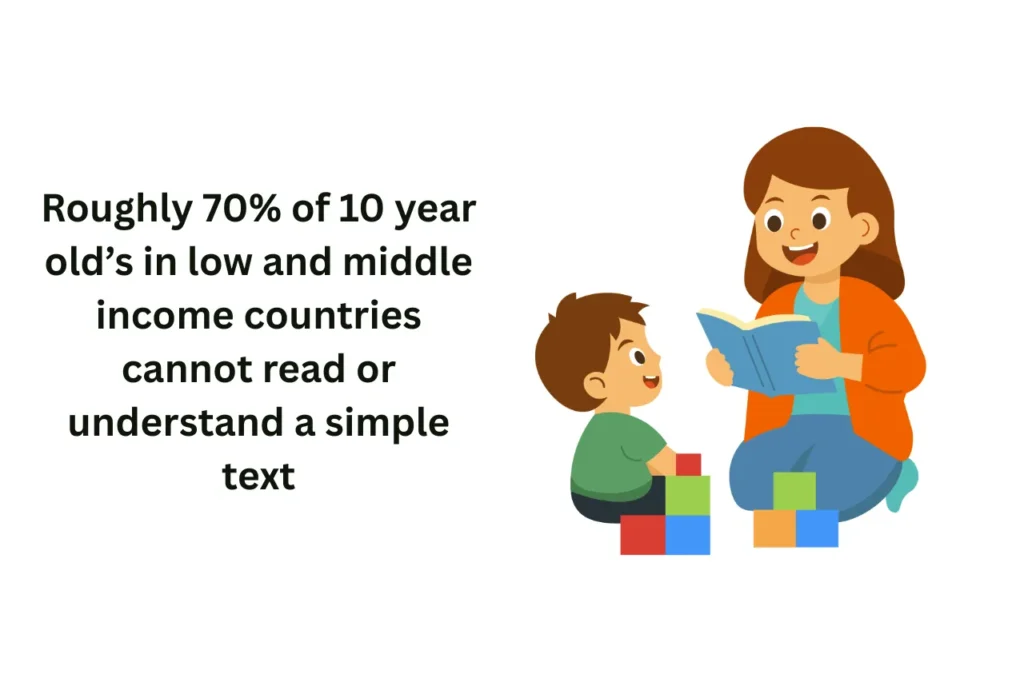
Environmental sciences education should be made mandatory for all schools and colleges across the planet to make sure the future generation knows what’s happening to the planet.
Education does not mean theoretical knowledge, but it should also include practical classes, ensuring people learn the fundamentals required to lead a sustainable lifestyle.
Trainings And Certifications
There must be a separate training and certification course at every level that students must pass, even in offices, to ensure people know why the environment is functioning this way, what needs to improve, and why civic sense matters in modern societies.
Individuals will be able to identify problems, analyze them, make relevant observations, and contribute to society through innovative solutions.
17. Technology
Technology and environment are like 2 rivals but their goal is one, to provide comfort, benefits and advantage to existing life but Nature takes it beyond that.
Nature provides everything possible to us, and technology itself uses Nature/environment as a resource to be born.
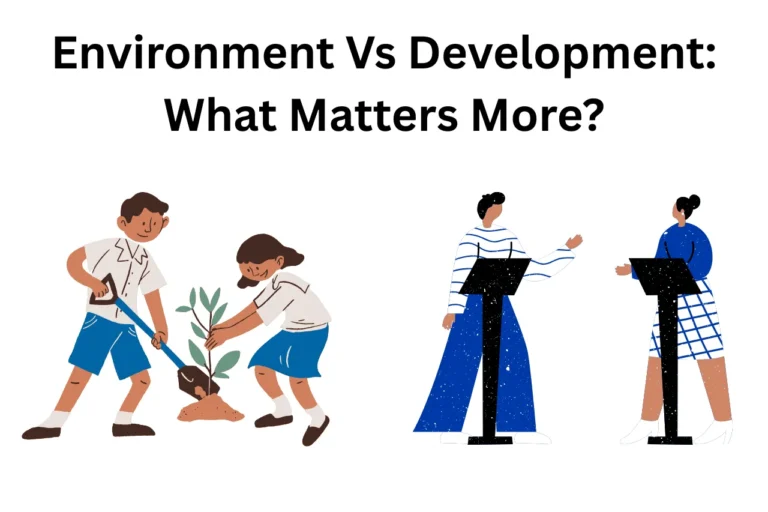
It’s a long ongoing debate between environment vs development or Nature vs technology, but be assured that eco-friendly technology is the right way to move forward in the future.
Technology provides benefits but is also a driver of various environmental problems that lead to ecological degradation.
Example: Expansion of urban cities often damages the natural resources and pressures the population.
Digital infrastructure adds carbon footprint, but green technology balances it out.
Do you know that Digital infrastructure accounts for 3.7% of the world’s total GHG emissions?
Do you also know that electricity demand in data centres has grown by 12% year-on-year since the pre-pandemic era?
18. Games
Games are gaining popularity especially open-world games recently, and this is one genre that can boost the environment and its importance among students.
- Developers can create a game where they can portray what happens if we extract too much from Nature and depend on Technology
- Another open world game on how much time and care it needs just to stabilize a local region on the planet, so students and players will know how much time and patience Nature have for us but we don’t have it
- A game where humans are equal to other species and living their lives can be crucial to unlock new opportunities and build care, sympathy for Nature and the environment around us
19. Entertainment
The entertainment industry helps us to stay in touch with our mental health in this stressful life, but they often consume a lot of resources from Earth in the process.
Nowadays, the entertainment industry is trying hard to blend with environmentalism and reduce its carbon footprint and drive climate action.
This is happening via:
- Eco-conscious live events
- Climate-themed storytelling
- Sustainable production
- Influencing public behavior and raising awareness
Environmental Impact Due to Entertainment
Even though precautions and care are being taken, the speed currently is not enough to satisfy the fact that the environment is under pressure, and here are the possible reasons:
- Concerts, especially Night concerts, consume a lot of light and effects, drain energy, and create noise pollution that affects the mental peace of individuals, which they often ignore just for the vibe
- Many musical events/rallies follow the same scenario and consume a lot of resources, and often bring a huge crowd together and that can help spread disease since not everyone is healthy in the crowd and the rush often disturbs the physical health of individuals
- A single large-scale film today can generate 3000 metric tons of CO2
20. Lifestyle
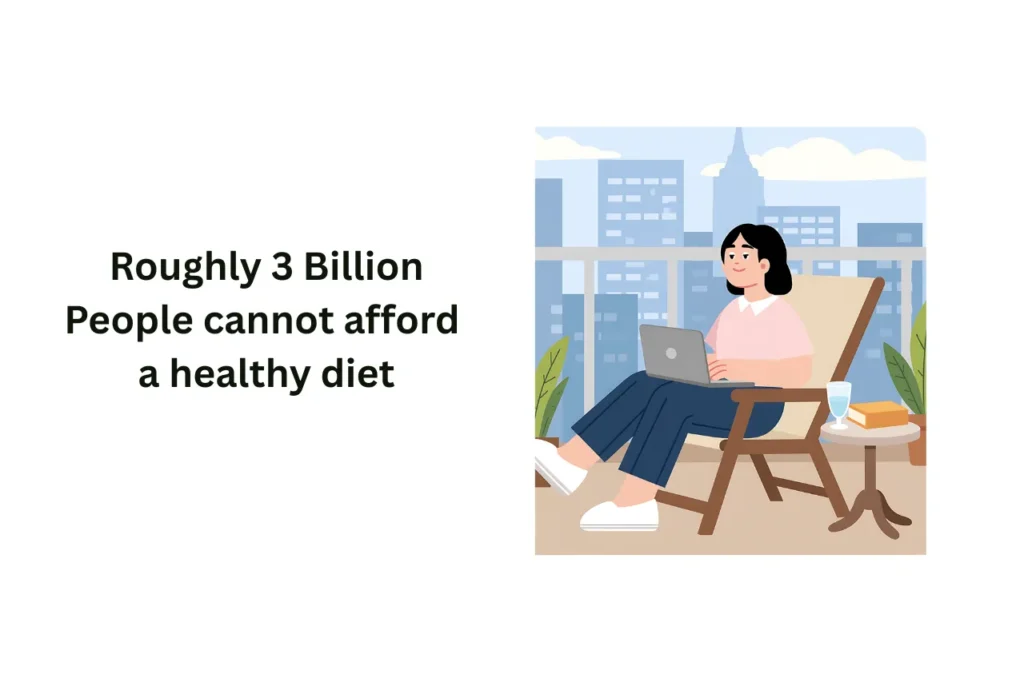
Our lifestyle choices determine the future of our planet. We are shifting towards consuming more resources, but at our homes, we are also following a minimalistic lifestyle.
Modern lifestyle does demand environmental degradation but shifting towards sustainability is a good way to focus on green living, healthy living.
Today, there is an urgent need to:
- Focus on green living and promoting individual sustainable practices and sharing them with your community/the world
- Try to use cloth bags, reusable water bottles, reduce food waste, focus on reducing carbon footprint, and use more public transport
- Maintain an environmentally friendly life and clean your surroundings
21. News & Media
News and media often are important sources to determine what’s going on on Earth and they are useful tools to address the gap between awareness, expectations and reality of our actions.
The media describes public environmental awareness issues from biodiversity loss to climate change, highlighting the lack of public civic sense and behavior towards the environment.
Even though environmental journalism faced various corporate/political influence but still tries to promote real-time awareness and greater public engagement.
22. Scientific Discoveries And Innovations
Innovations and scientific innovation are crucial for environmental protection often focusing on mitigating climate change.
These innovations often lead towards promoting sustainable energy, pollution control, minimizing waste, and conservation.
Some of the latest innovations that take care of the environment are:
- AI-waste bin sorting
- Liquid metal batteries for material storage
- Magnet-based microplastic removal
- Metal-eating plants to decontaminate soil and solar reactors for hydrogen fuel, hence reducing carbon footprints
- Machine learning in climate modelling and many more
23. Space Projects
The orbital debris, rocket emissions, and upper atmosphere pollution are also helping to analyze Earth systems, ecosystems, and climate.
The increasing number of launches increases black carbon and toxic re-entry materials into the atmosphere.
Environmental Impacts Of Space Activity
Space activities let us know about extra terrestrial lives, but there are severe impacts that often come with the benefits and they are:
- Orbital debris
- Atmospheric pollution
- Light pollution
- Re-entry hazards
Sustainability Efforts
The sustainability efforts are taken care of to reduce environmental impacts and they are:
- Green propulsion
- Reusable Rockets
- Debris mitigation
24. Individual Action And Awareness
Our individual action and awareness are extremely important and crucial for environmental protection, growing personal knowledge, reducing waste, conserving energy, choosing eco-friendly transportation, and having civic sense.
There is a need of:
- Awareness and Environmental protection
- Individual responsibility
- Sustainable consumption
- Collective impact
- Community Engagement
- Transportation Choices
- Civic Sense
FAQs On Nature And Environment
How do human activities affect the environment?
Human activities affect the environment by focusing on burning fossil fuels, releasing industrial pollution, agriculture, and deforestation, and they accumulate, leading to climate change and triggering increased frequency of extreme weather events.
What are the key threats to biodiversity?
The key threats to biodiversity are ecosystem imbalance, habitat destruction, pollution, climate change, Global warming, waste mismanagement, and overexploitation of natural resources.
What is the difference between renewable and non-renewable resources?
Renewable resources are the ones that can be replenished with time and are often unlimited, like solar energy, wind energy, hydroelectric energy, etc.
Non-renewable resources are often limited and can be exhausted, like coal, oil, natural gas, etc.
How can individuals affect the environment?
Individuals can affect the environment by reducing single-use plastics, saving energy, recycling and reusing, planting more trees, etc.
What is a green building?
Green building in simple terms is all about designing buildings to create positive impacts on environment and climate by using eco-friendly resources and methods.
What is the importance of nature and environment?
They help in sustaining life on Earth, provide us with natural resources, regulate global climate, help grow our economy, and promote overall well-being. They both are life-supporting systems for everyone.
Is climate change real?
Climate change is real, and it’s happening since the creation of Earth and will occur till Earth is no longer there as it’s a natural process, but due to human activities, the intensity of climate change has increased, which affects our day-to-day life.
Conclusion On Nature And Environment
Our Environment and Nature are the ultimate sources of life on Earth, and they both are both the soul of Earth, so it is our fundamental duty to keep them safe.
Once we keep them safe, the environmental problems will start to vanish and we can live a comfortable life, stress free.
Everything we depend on today requires a healthy environment, from the food we eat to the water we drink to air we breathe but we need to understand we should not pressurize the Earth system.
Our Earth’s soul is precious Nature and the environment is the part of it and I, you and everyone else who once lived, who are living right now and who will exist are all part of the Nature and environment around us at our given times.
I hope this nature and environment guide will help you to enlighten what’s happening today and what can happen in the future.
So, what actions are you willing to take to save nature? Which fact amazed you the most?

Very informative
Thanks a lot maa 🙂